Craftsmanship becomes air handling.
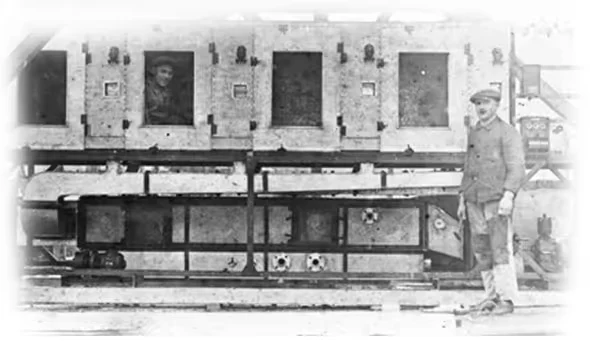
Gustav Rentschler establishes a sheet-metal workshop and equipment manufacturing business. Over generations, these craft roots develop into work with fans, air distribution and air handling systems.
Over 120 years of family tradition in air handling. Five generations sharing experience and contributing their own ideas. Today, Rentschler Air builds on this heritage to develop solutions for medical spaces.

What is passed on is more than technical knowledge: a willingness to look closely, improve proven solutions and explore new approaches.
Gustav Rentschler establishes a sheet-metal workshop and equipment manufacturing business. Over generations, these craft roots develop into work with fans, air distribution and air handling systems.
Peter Rentschler shapes the development of kitchen ventilation and industrial air cleaning. Oil mist separation, X-CYCLONE separation technology and induction hoods form part of this history of innovation.
Today, Rentschler Air focuses on air handling for medical practices, outpatient surgical centres and hospitals. In-house development, manufacturing and software connect this experience with the requirements of modern operating rooms.
The shared roots lie in the family tradition. Today, REVEN and Rentschler Air are independent companies.

In-house development and manufacturing allow us to consider design, materials and service access together. The Wall combines these tasks in a room-integrated solution.
Experience in air handling and system engineering informs our planning for medical practices, outpatient surgical centres, day clinics and hospitals.
We support your system throughout its service life.

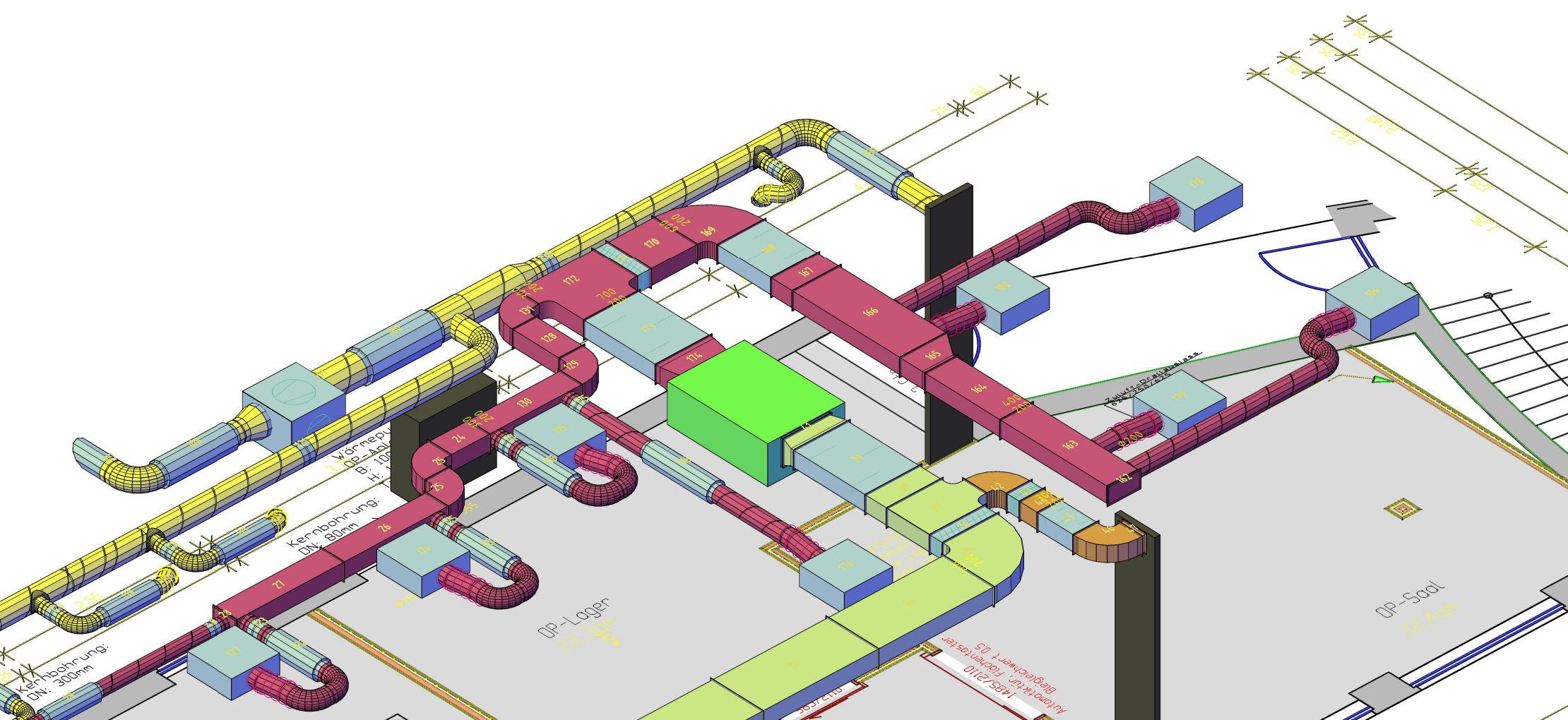
Once the order is placed, we develop the detailed design. Units, air routes, connections and service areas are incorporated into the floor plan and coordinated with the relevant trades.

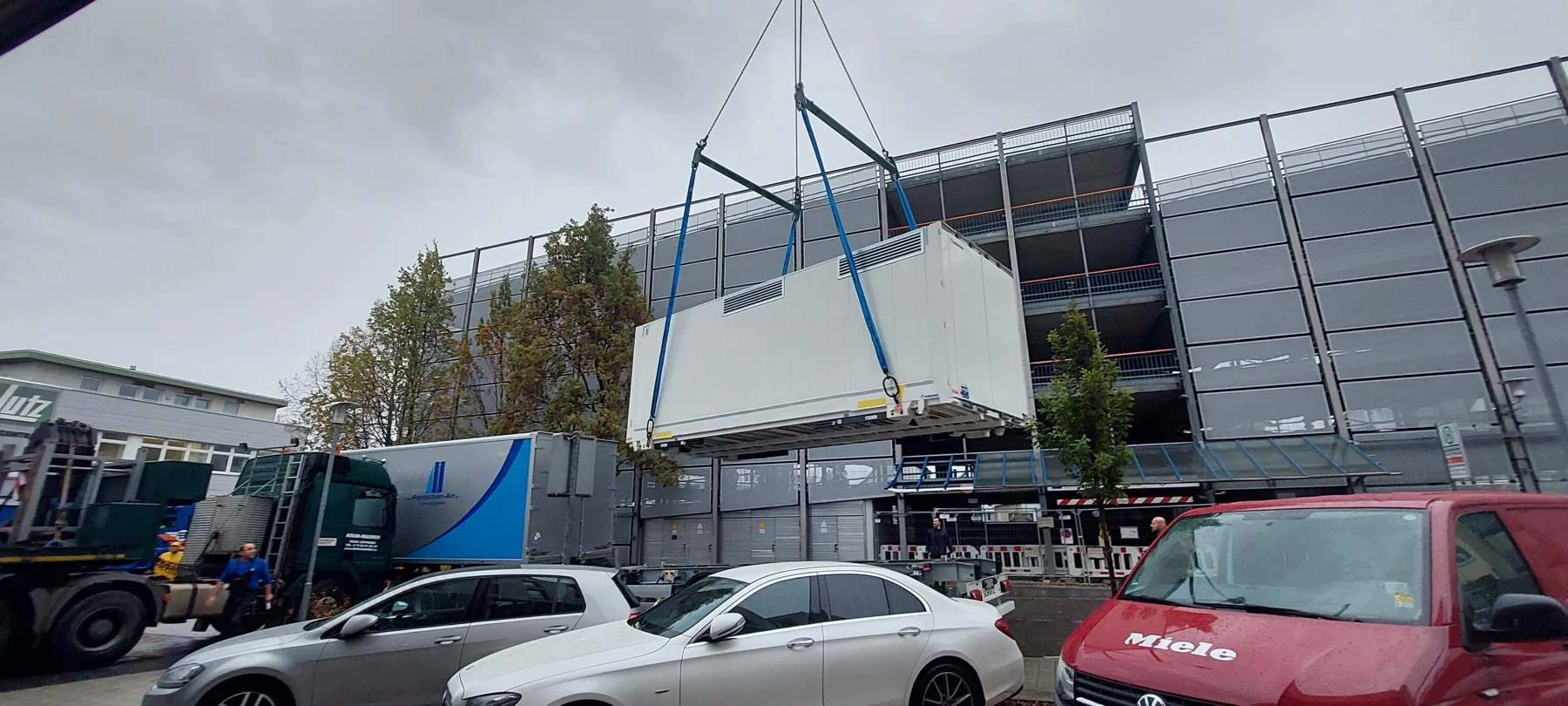
Delivery, transport routes and access are prepared. Dimensions, access points and the on-site sequence are coordinated early.

On site, units are brought in, installed and connected to the planned air routes and services. Installation follows the agreed detailed design.

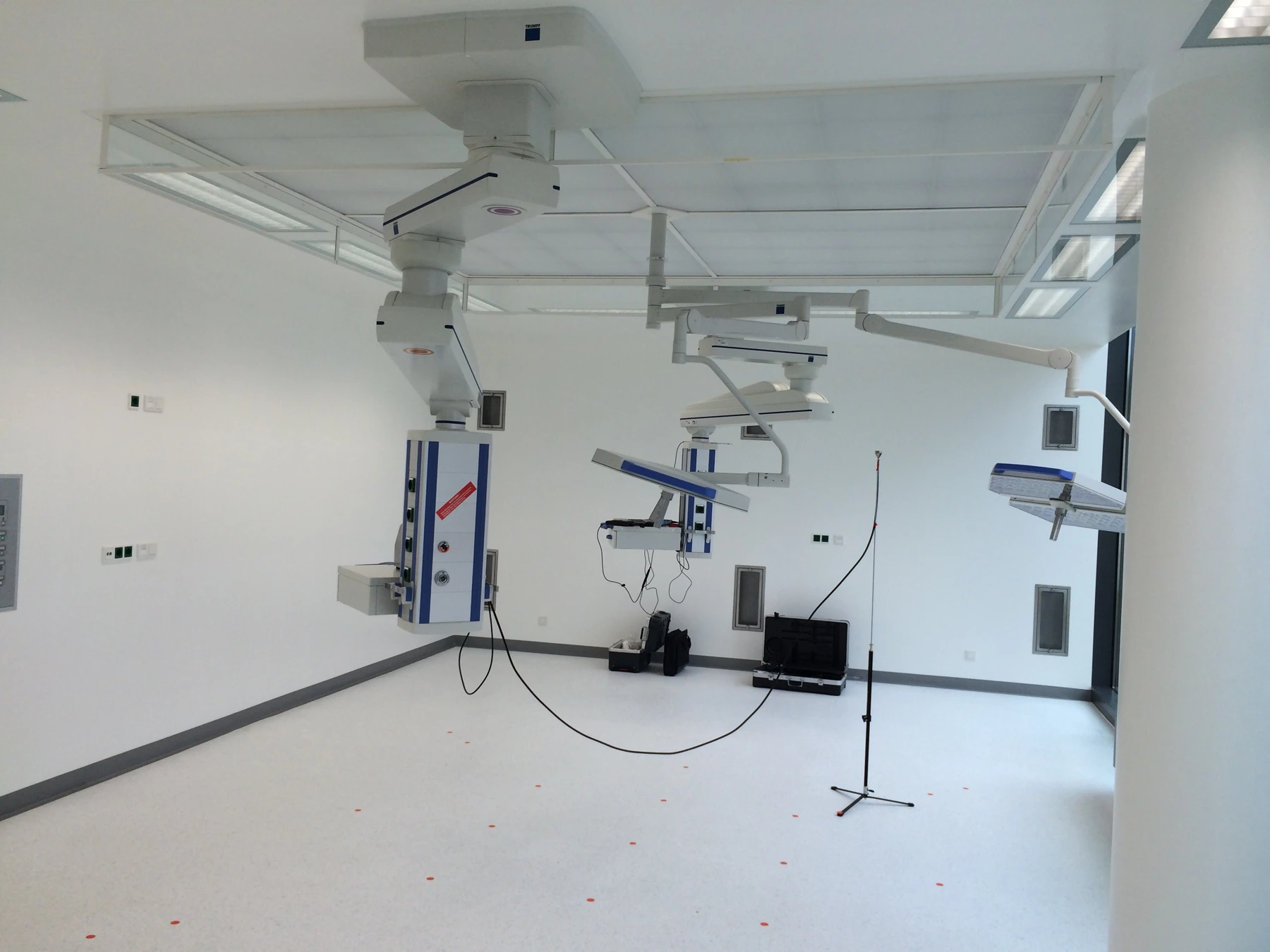
During commissioning, system functions and operating modes are checked and adjusted. The required measurements depend on room classification, system concept and test plan. Results are documented.

Regular maintenance, filter changes and periodic measurements support operation throughout the system’s service life. We coordinate scope and scheduling with your system and the intended test plan.
We remain your contact for the system after commissioning. We plan maintenance, filter changes and periodic measurements to suit room classification, system concept and operation.
Readings, test scope and completed work are documented, keeping a clear record of what was checked and when the next steps are due.

Particle counts and recovery time measurements assess different properties of room air. For Class Ib operating and preparation rooms, the DGKH guideline (2023, Section 4.2.2) specifies a recovery time measurement every 24 months as part of periodic hygienic testing under DIN 1946-4:2018.
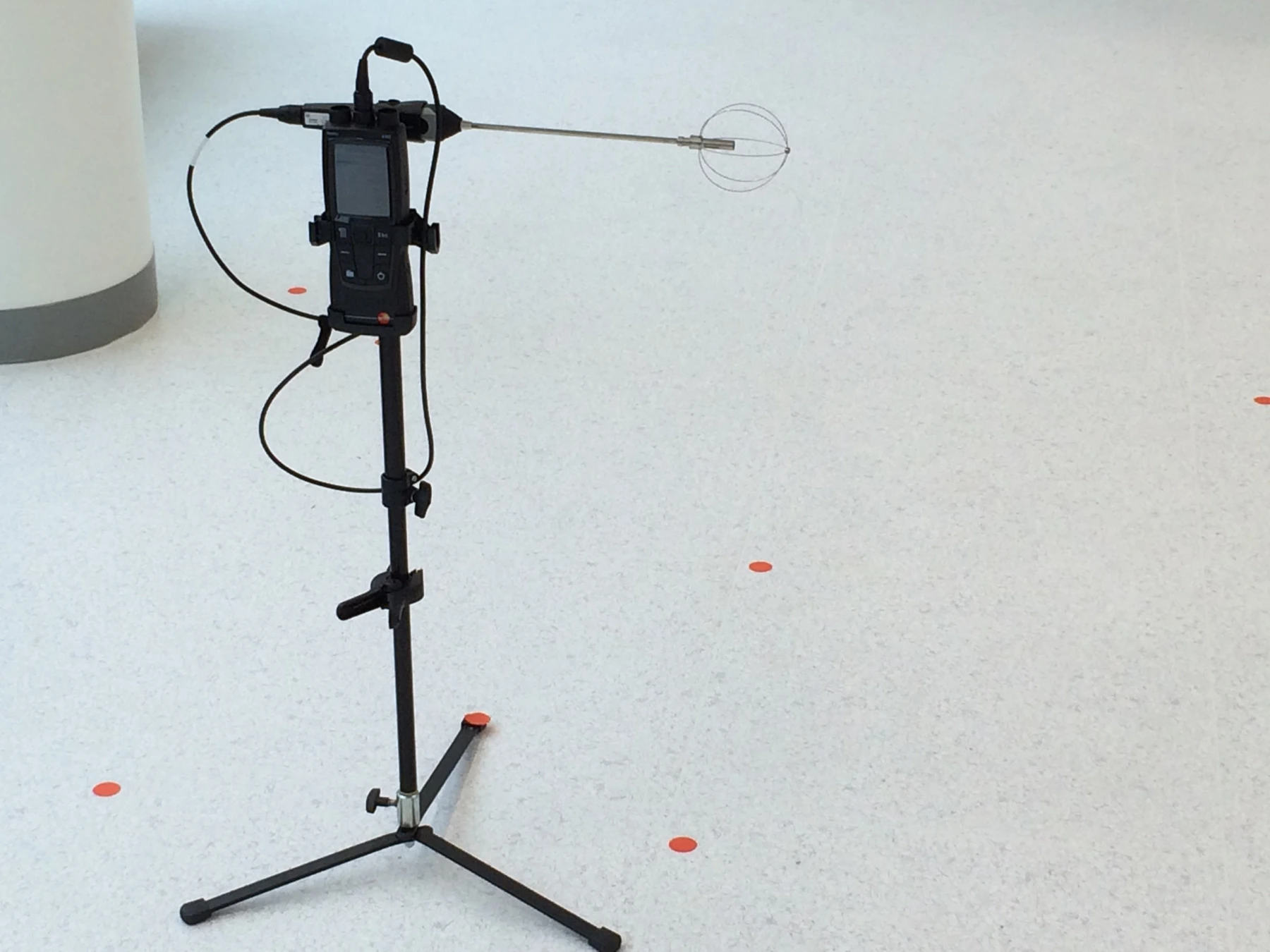
For Class Ia rooms, we offer turbulence intensity measurements in accordance with the agreed testing scope. These examine airflow fluctuations in the protected zone. Periodic testing is coordinated with the operator and hygiene specialists.
Filter changes, system function checks and required testing are coordinated with the system’s condition and test plan. Changes in operation also inform service planning.
Commissioning, acceptance and periodic testing each have their own testing scope. They are based on the applicable requirements and the agreed test plan.